 Comparison
Somatic Movement vs Regular Yoga: What's the Difference?
Last Updated: October 24, 2026
Quick Summary
Somatic movement asks you to feel first and move second, while most regular yoga classes ask you to move first and feel second. In somatic practice your own sensation sets the standard; in yoga, the pose often does. Both train different skills, and neither is superior.
- Somatic movement trains interoception and proprioception through small, slow, exploratory ranges with frequent pauses.
- Regular yoga typically builds flexibility, strength, balance, and posture through sequenced, teacher-led poses.
- Beginners should expect movements smaller than a stretch, no pushing into end range, and no fixed sequence.
- Spend five minutes sensing before you flow to blend somatic attention with yoga's structure.
Table of Contents
- Somatic Movement vs Regular Yoga: The Core Difference
- A Side-by-Side Comparison
- Somatic Movement for Beginners: What to Expect
- Somatic Exercises for Stiffness in the Neck, Shoulders, and Hips
- How Often to Practice Somatic Movement
- Somatic Movement and Yoga Together: A Practical Blend
- Which Approach Fits Your Body Right Now?
- Frequently Asked Questions
Somatic Movement vs Regular Yoga: The Core Difference
Somatic movement and yoga have plenty in common, including mindful movement, breathing, and body awareness.
The difference often lies in how they're practiced.
Somatic movement typically emphasizes exploring sensations through small, comfortable movements without working toward a particular pose. Yoga can incorporate that same awareness while also offering structured postures, sequences, and opportunities to develop strength, flexibility, and balance.
Neither is inherently better. The question is which approach feels useful for your body today.
Where Your Attention Goes
In somatic movement, your attention turns inward toward sensation. You notice weight, effort, breath, and where your body holds back. Proprioception and interoception lead the way. In a regular yoga class, attention usually goes outward toward alignment cues, the teacher's voice, and the shape of the pose. Both are useful. They train different skills.
Goals and Pace
Regular yoga often aims at flexibility, strength, and a defined posture. Somatic movement aims at awareness and easier movement patterns, at whatever pace your nervous system allows. Neither is superior. They simply answer different questions.
A Side-by-Side Comparison
Most comparison tables list features. That is not very useful when you are trying to decide what to do on a Tuesday morning with a stiff neck. A better comparison asks: what is each practice actually training, how is it taught, and what does the evidence support?
Here is a criteria-based comparison that focuses on what matters for recurring tension.
Criterion | Somatic Movement | Regular Yoga |
|---|---|---|
Primary skill trained | Interoception and proprioception: noticing sensation, effort, and movement quality | Flexibility, strength, balance, and posture through structured poses |
How a session is taught | Exploratory, often lying down or seated; small ranges; frequent pauses | Sequenced poses, often standing; teacher-led alignment cues |
What sets the standard | Your sensation and comfort level | Varies by style and teacher; may emphasize alignment, sensation, breath, or a combination. |
Typical pace | Slow, with repetition and rest | Varies widely by style (restorative to vigorous) |
Equipment | Minimal; often none | Mat, blocks, straps, sometimes bolsters |
Evidence base | Growing body of research on body awareness, motor control, and gentle movement for persistent pain; mechanisms are partly theoretical | Substantial research on yoga for flexibility, balance, and some pain conditions; quality varies by style and population |
Best fit for | Recurring tension that returns despite stretching; readers who want to understand movement habits | Readers who want structure, community, and a blend of mobility and strength |
Limitations | Less standardized; quality depends heavily on the teacher's training | Can reinforce pushing into end range if the class culture emphasizes form over sensation |
A few notes on that table, because the details matter more than the checkmarks.
Mechanisms are different, not opposite. Regular yoga often works through repeated loading, stretch tolerance, and strength at end range. Somatic movement works more through attention, slow repetition, and motor learning. Both can change how movement feels. Neither reliably 'releases' fascia in the way social media suggests.
Teaching quality matters more than the label. A well-taught yoga class with skilled cueing can be deeply somatic. A poorly taught somatic class can be vague and unhelpful. Ask what the teacher's training actually covered, and whether they can explain why a movement is being used.
Evidence quality is uneven. Yoga has been studied more extensively, but study quality and style vary (pubmed.ncbi.nlm.nih.gov). Somatic approaches have a smaller but growing evidence base, much of it focused on body awareness and gentle movement for persistent pain (pubmed.ncbi.nlm.nih.gov). Treat strong claims from either side with curiosity rather than certainty.
Cost and access are practical criteria. Group yoga classes are widely available and often priced per class or by membership. Somatic work is more often taught in workshops, one-on-one sessions, or self-paced programs.
The real difference between the two comes down to who sets the standard. In somatic practice, your sensation sets it. In yoga, the pose often does. Knowing which standard you need today is more useful than picking a side.
Somatic Movement for Beginners: What to Expect
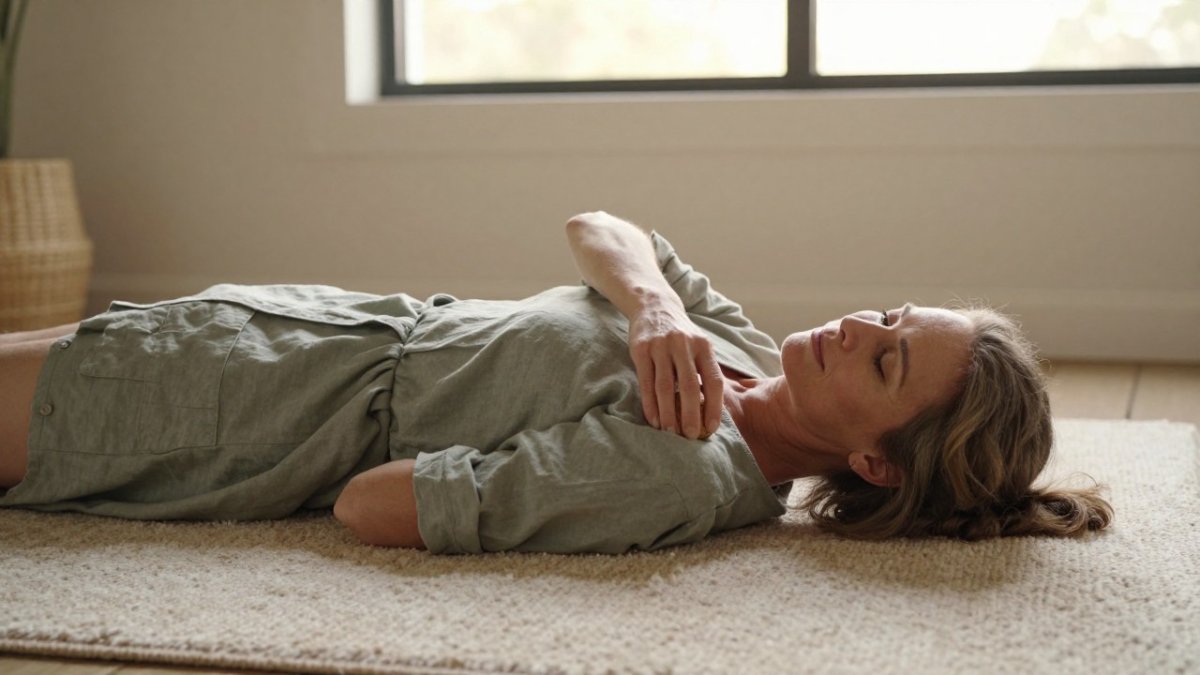
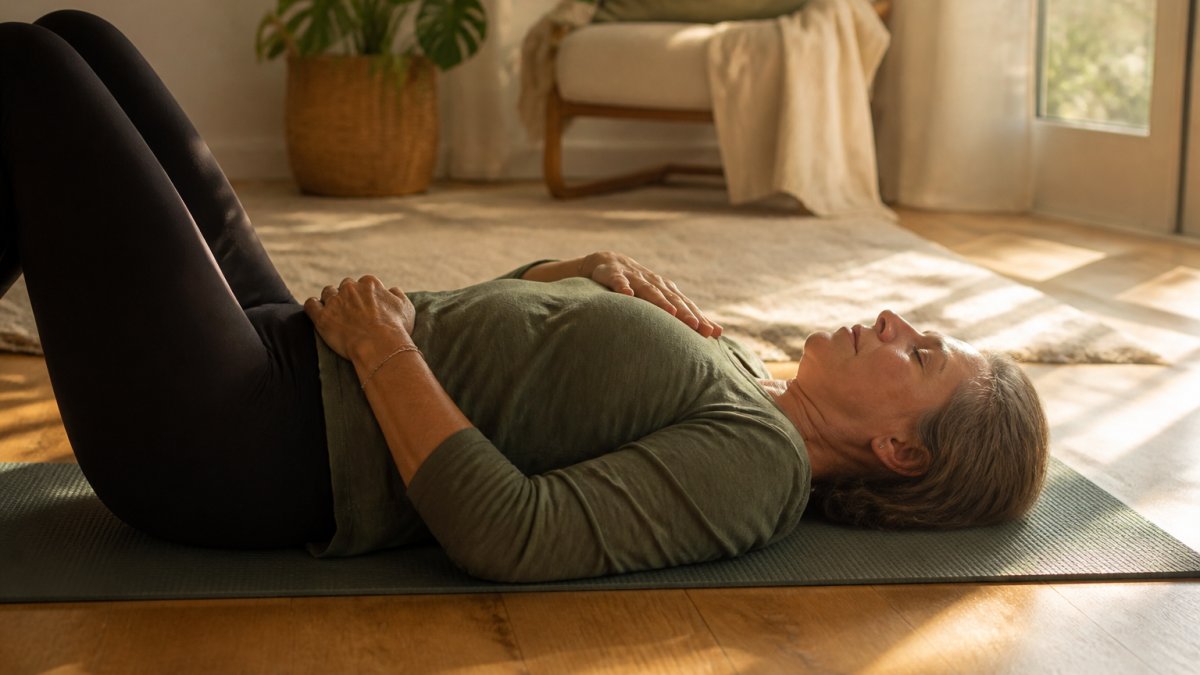
Somatic movement for beginners is slower and smaller than most people expect. Your first session may involve lying on the floor, rocking a hip, or turning your head a few degrees while paying close attention. That is the whole point.
Expect these hallmarks:
- Movements smaller than a stretch
- No pushing into end range
- Frequent pauses to notice sensation
- No fixed sequence to memorize
A common mistake is treating somatic movement like a workout and chasing a burn. Skip that. If you want a low-pressure starting point, try a short somatic routine for stress and see how your body responds.
Somatic Exercises for Stiffness in the Neck, Shoulders, and Hips
Somatic exercises for stiffness target how you move, not how far you stretch. For a tight neck, try slow head turns while noticing where movement stops being easy. For shoulders, roll them forward and back at a fraction of your usual range. For hips, rock one knee gently and observe the response.
If neck and shoulder tension is your main complaint, gentle somatic exercises for neck pain walk through specific moves you can try today.
How Often to Practice Somatic Movement
There's no universal schedule for somatic movement.
Some people enjoy five to ten minutes most days. Others prefer a few longer sessions throughout the week.
If you're new, start with a few minutes of gentle exploration and notice how your body responds.
The best schedule is one that fits your life, feels comfortable, and gives you opportunities to practice without turning movement into another obligation.
If your schedule is packed, somatic practices for busy women show how to fit short sessions into a full day.
Somatic Movement and Yoga Together: A Practical Blend
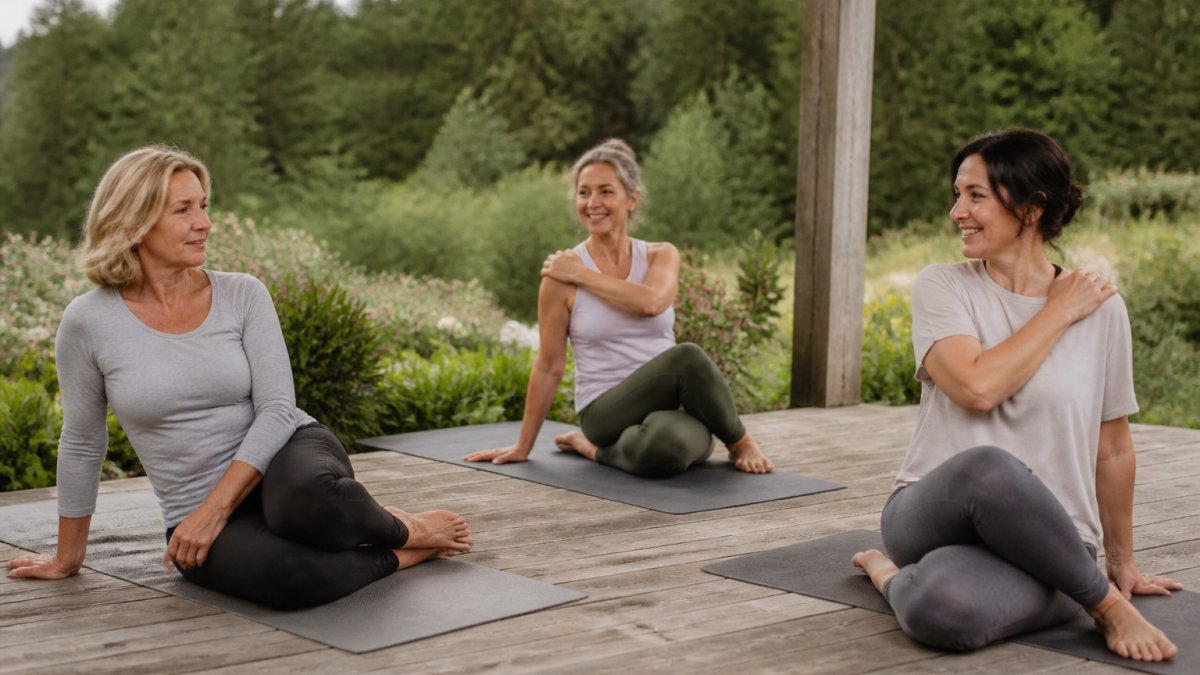
Somatic movement and yoga together can work beautifully, and you do not have to pick a side. Use somatic work as a warm-up: spend five minutes sensing before you flow. Then bring that same internal attention into your yoga postures. The blend keeps yoga's structure while restoring the awareness most classes skip.
For a simple daily routine that supports both, a 10-minute fascia routine pairs well with either practice.
Which Approach Fits Your Body Right Now?
This is the question most articles answer with 'it depends.' That is true but unhelpful. A better approach is to match the practice to your situation, your history, and what you have already tried.
Here is a practical way to sort it out.
If your tension keeps returning in the same spots despite stretching, massage, or physical therapy: somatic movement is worth a serious trial. The pattern suggests that more force is not the missing ingredient. A short daily practice focused on slow, small movements and attention to sensation can help you notice how you habitually brace, hold, or compensate. Give it four to six weeks of consistent short sessions before judging.
If you thrive on structure, community, and a defined class time: regular yoga may fit better, especially styles that emphasize breath, props, and mindful pacing. Look for teachers who cue sensation as well as alignment. A good class can be both structured and internally focused.
If you are managing persistent pain: evidence supports gentle movement and education for many persistent pain conditions, but the quality of instruction matters. Choose a teacher who can explain what a movement is for and who does not push you into end range. If pain is worsening, unexplained, or accompanied by numbness or tingling that does not settle, see a qualified healthcare professional before starting a new practice.
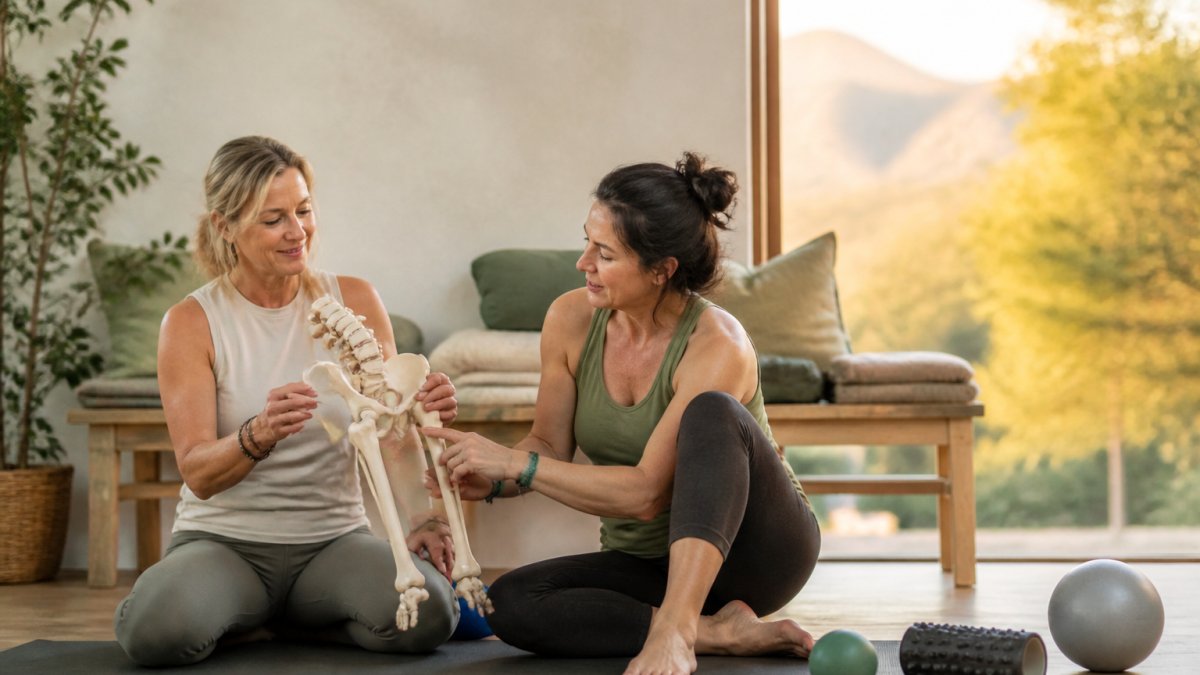
If you are a yoga teacher or movement professional: the two approaches are complementary skills, not competing brands. Learning to cue sensation and to slow down can improve how you teach any style. Look for training that covers anatomy, pain science, and motor learning, not just sequences.
If you have limited time and budget: short, frequent somatic sessions at home are low-cost and easy to fit in. Group yoga classes offer structure and social contact but cost more per session. Compare what you will actually do consistently, because consistency matters more than the label.
A simple decision rule: if you want to feel more, choose somatic movement first. If you want to move more, choose yoga first. If you want both, blend them. Spend five minutes sensing before you flow, and bring that attention into the poses.
For guidance shaped around your stage of life, somatic exercises for women over 40 offer a tailored starting point.
At Calm Library, our self-paced programs combine gentle self-myofascial release, body awareness, and movement so you can explore recurring tension at your own pace.
Frequently Asked Questions
Is somatic movement the same as yoga?
No. Somatic movement is an umbrella term for practices that prioritize internal sensation and gentle, exploratory motion, while yoga is a broad tradition that includes physical postures, breathing, and often external alignment cues. Some yoga styles, like somatic yoga, blend the two. The key difference is where your attention goes: somatic movement asks you to feel from the inside, while regular yoga often asks you to match a shape or cue from the outside.
Is somatic movement better than yoga for stiffness?
Neither is universally better. Somatic exercises for stiffness focus on slow, small movements and sensory feedback, which can help you notice where you're holding tension and move with less bracing. Regular yoga builds strength, flexibility, and balance through held postures. If your stiffness keeps returning despite stretching, a somatic approach may offer a fresh angle. Many people benefit from using both, depending on the day and what their body needs.
How often should beginners practice somatic movement?
Start with short sessions of five to ten minutes, three to four times per week. Consistency matters more than duration. Somatic movement for beginners works best when you practice gently and pay attention to sensation rather than pushing for a stretch. Once the movements feel familiar, you can add a few minutes or practice daily if it feels good. Stop if you notice sharp pain or increasing tension, and check with a healthcare professional if symptoms persist.
Can somatic movement and yoga be practiced together?
Yes. Many people use somatic movement as a warm-up before yoga or as a cool-down afterward to reconnect with sensation. You might begin with a few minutes of slow, exploratory movement to notice where you're holding tension, then move into your yoga practice with more awareness. Combining somatic movement and yoga together can make postures feel more comfortable and help you avoid pushing past what your body is ready for.
Which is gentler for beginners: somatic movement or yoga?
Somatic movement is often gentler because it emphasizes small, comfortable movements and internal attention rather than holding postures or achieving a shape. That said, many yoga classes offer beginner-friendly, restorative options. If you're new to both, try a short somatic session first to get used to noticing sensation without judgment. From there, you can explore gentle yoga classes and see which approach helps you feel more at ease in your body.
Curious About What's Behind Your Recurring Tension?
If the same tight spots keep returning, stretching harder may not be the answer.
Inside Ground + Release, you'll explore body awareness, gentle self-myofascial release, and practical ways to recognize recurring tension patterns.
It's self-paced, approachable, and designed to help you work with your body rather than against it.
Explore Ground + Release at Calm Library.