 Comparison
Yoga Anatomy Academy vs Essential Somatics
Last Updated: October 25, 2026
Quick Summary
Yoga Anatomy Academy vs Essential Somatics represents two different approaches to body awareness: Yoga Anatomy Academy teaches anatomy through a yoga lens focused on alignment and form, while Essential Somatics emphasizes nervous system perception and sensation through slow movement. The choice depends on whether you want to deepen your yoga practice or understand why chronic tension keeps returning.
- Yoga Anatomy Academy offers free resources, weekly classes, courses, and mentorship for yoga teachers and practitioners seeking deeper anatomical knowledge.
- Essential Somatics teaches introductory courses and online classes focused on noticing sensation and observing nervous system responses through slow, deliberate movement.
- Yoga builds strength and flexibility through structured poses; somatic work helps you understand protective patterns and why tension recurs.
- Yoga Anatomy Academy works best for people already committed to yoga; Essential Somatics suits those curious about why their body keeps tightening.
- Somatic work requires patience and curiosity, it feels like investigation rather than exercise.
Table of Contents
- Somatic Movement vs Yoga: What's the Real Difference
- Yoga Anatomy Academy: Focus and Approach
- Essential Somatics for Beginners: What to Expect
- Frequently Asked Questions
Somatic Movement vs Yoga: What's the Real Difference
Both involve movement and body awareness, but rest on different foundations, a distinction that becomes clear when comparing options like yoga anatomy academy vs essential somatics. Somatic vs Traditional Yoga for Tension: Key Differences explores the foundational distinction between somatic and yoga approaches that this article compares.
Yoga combines postures, breathing, and philosophy into a structured system emphasizing alignment and held poses. Somatic movement focuses on how your nervous system perceives and controls your body, prioritizing slow movement and attention over perfect form.
The key difference: yoga typically asks "Am I doing this correctly?" Somatic work asks "What do I feel when I do this?" One is form-focused. The other is sensation-focused. Research comparing yoga and somatic education approaches suggests both can improve body awareness and movement quality, though they take different paths to get there.
For women with recurring neck, shoulder, or hip tension, this matters. Yoga builds strength and flexibility; somatic movement may help you understand why tension keeps returning.
Yoga Anatomy Academy: Focus and Approach
Yoga Anatomy Academy centers on anatomy education for yoga teachers and practitioners, offering free resources, weekly classes, courses, and mentorship.
Its appeal is accessibility and community; for teachers, ongoing anatomy guidance helps you cue students more effectively.
The limitation: it's fundamentally yoga-focused. You'll understand your body through a yoga lens, but won't necessarily learn why your shoulders tighten under stress or how to work with protective patterns.
It works best for people already committed to yoga who want deeper anatomical knowledge. Explore comparison articles about somatic and yoga approaches to understand the foundational differences before committing.
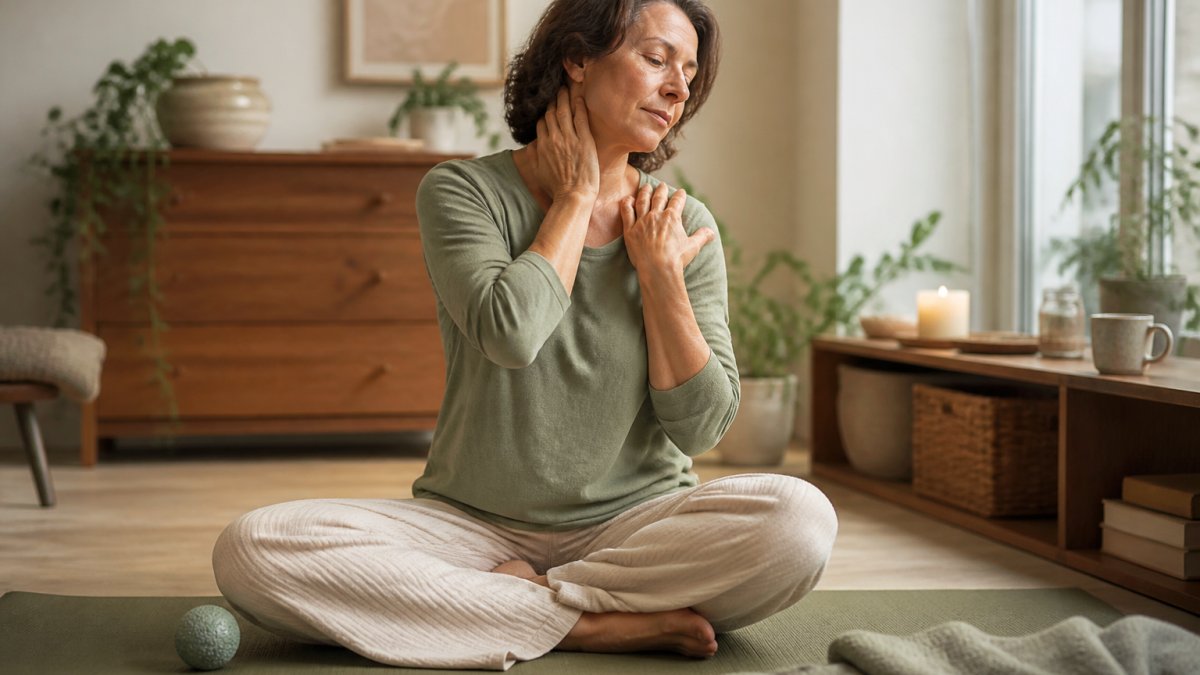
Here's how these two approaches differ in what they teach and who they serve best.
| Approach | Primary Focus | Best For | Key Limitation |
|---|---|---|---|
| Yoga Anatomy Academy | Anatomy education for yoga teachers and practitioners | People committed to yoga seeking deeper anatomical knowledge | Yoga-focused lens; doesn't explain why tension returns |
| Essential Somatics | Nervous system perception and sensation through slow movement | Understanding why chronic tension keeps returning | Requires patience; feels slow if you expect structured exercise |
Essential Somatics for Beginners: What to Expect
Essential Somatics offers introductory learning, online movement classes, and professional education, whether you're curious or training to teach.
Introductory courses and online classes teach you to notice sensation, move slowly and deliberately, and observe how your nervous system responds. Learn what to look for when choosing between somatic programs to help you evaluate courses and understand what to expect as a beginner. The focus is your own experience, not a particular form.
The practical difference: yoga works toward alignment, somatic work toward awareness. You might spend ten minutes exploring tiny shoulder movements, noticing what feels tight or free. It feels less like exercise, more like investigation.
For women with chronic neck and shoulder tension, this can be revelatory. Many discover their tightness connects to breathing, stress, and nervous system responses, making stretching alone feel incomplete.
The trade-off: somatic work requires patience and curiosity. If you want a structured class where you feel like you've "done something," it may feel too slow at first. It's not a workout; it's an education.
When weighing yoga anatomy academy vs essential somatics, both teach body awareness through different lenses. Drawn to yoga's structure and community? Yoga Anatomy Academy deepens that practice. Curious why tension keeps returning? Essential Somatics offers a different toolkit. The choice depends on your question: "How do I practice yoga better?" or "Why does my body keep doing this?" At Calm Library, we focus on that second question, helping women understand the patterns beneath the tension. Explore Calm Library to discover a gentler approach to recurring tension.
Frequently Asked Questions
What is the difference between yoga anatomy and somatic movement?
Yoga anatomy focuses on understanding skeletal structure, alignment, and how the body moves within yoga postures. Somatic movement emphasizes internal body awareness, proprioception, and how you sense and control your own movement patterns. Yoga anatomy education often targets teachers seeking to improve cueing and alignment instruction. Somatic movement practices typically focus on personal body perception and nervous system regulation through gentle, exploratory movement rather than holding specific poses.
Is Essential Somatics suitable for beginners?
Essential Somatics offers introductory learning options and on-demand movement classes designed to be accessible to people new to somatic practice. The approach emphasizes gentle exploration rather than advanced techniques, making it approachable for beginners. However, success depends on finding a program structure that fits your learning style and time commitment. Starting with introductory courses or classes allows you to experience the method before committing to longer training.
Can somatic movement help with recurring muscle tension?
Somatic movement practices can contribute to improved awareness of tension patterns and may offer temporary relief through gentle movement and nervous system regulation. The approach encourages observation of how you habitually hold tension rather than forcing release. Many people find that developing better body awareness helps them notice and modify movement patterns that contribute to recurring tightness. Results vary based on individual practice and the underlying causes of your tension.