 Comparison
Somatic Exercises vs Massage Therapy for Tension
Last Updated: November 17, 2026
Quick Summary
Somatic exercises ask you to do the work yourself through slow, guided movement, while massage therapy has a licensed practitioner work on your body. Somatic exercises suit recurring tension you can practice at home, and massage offers immediate hands-on relief.
- Somatic exercises are active and self-directed, while massage is passive and practitioner-led.
- Somatic exercises are often lower cost and can be practiced at home.
- Results from somatic exercises generally take consistent practice over time.
- Massage therapy sessions cost money and require scheduling.
- Persistent, worsening, or unexplained pain warrants a visit to a qualified healthcare professional.
Table of Contents
- Somatic Exercises vs Massage Therapy: The Core Difference
- Comparing Somatic Exercises and Massage Therapy Side by Side
- Choosing Between Somatic Exercises and Massage for Your Neck and Shoulders
- Frequently Asked Questions
Somatic Exercises vs Massage Therapy: The Core Difference
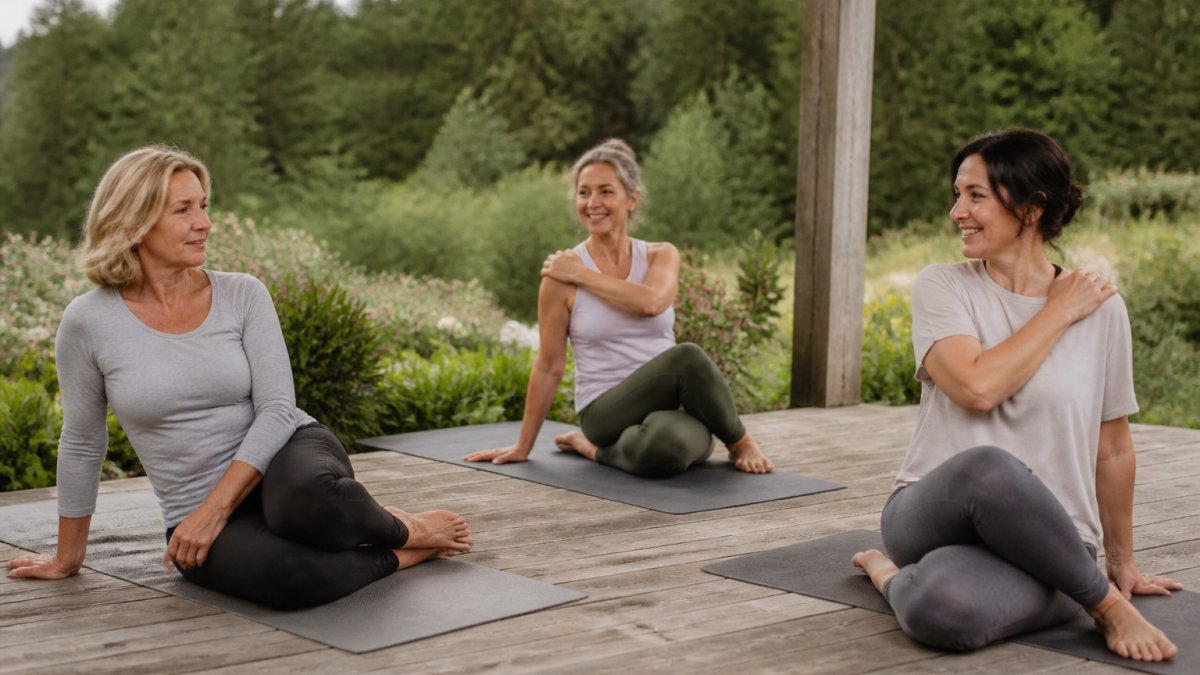
Somatic exercises put you in the driver’s seat, using gentle movement and body awareness to explore patterns of tension. Massage therapy brings in the skilled hands of a trained practitioner to help relieve discomfort and improve how your body feels. Both approaches have their place, and understanding how they work can help you decide what makes sense for your body.
Comparing Somatic Exercises and Massage Therapy Side by Side
Factor | Somatic Exercises | Massage Therapy |
|---|---|---|
Who leads | You, with guided attention | A licensed practitioner |
Role of the body | Active, slow, self-directed movement | Passive, receiving hands-on work |
Cost and access | Often lower cost, done at home | Per-session fees, scheduling required |
Best for | Building body awareness over time | Immediate hands-on relief |
Pros of somatic exercises: You can practice at home, the approach builds body awareness, and it can fit into busy schedules.
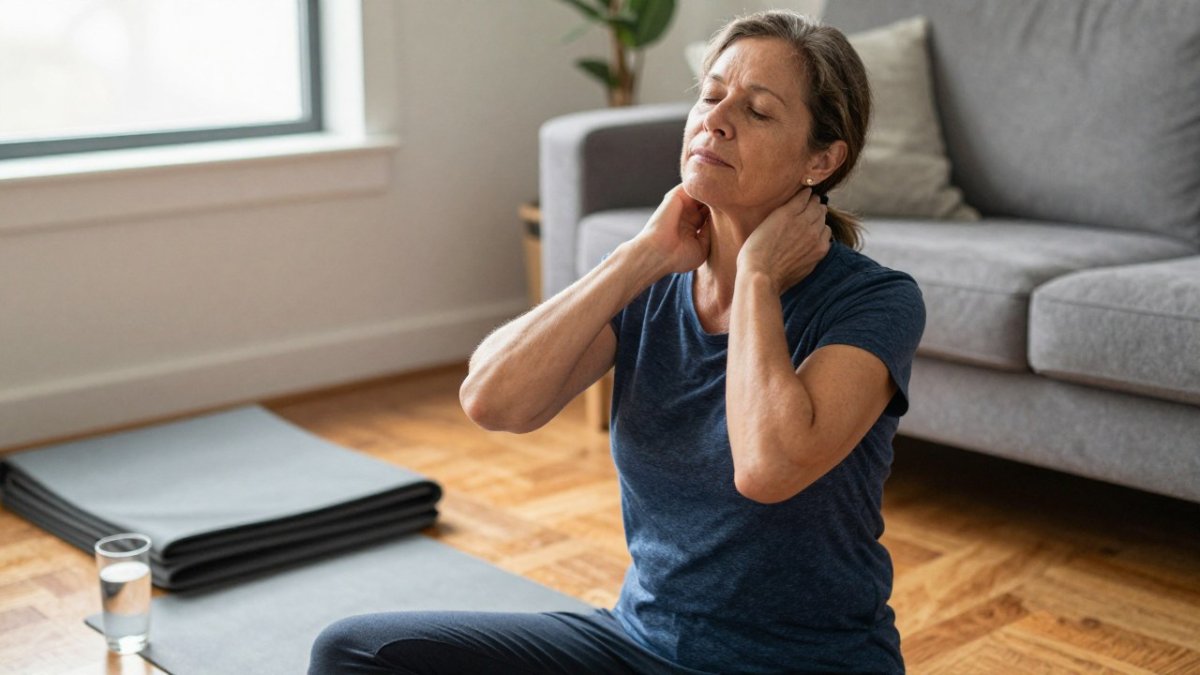
Cons of somatic exercises: Results generally take consistent practice, and learning the movements well takes attention.
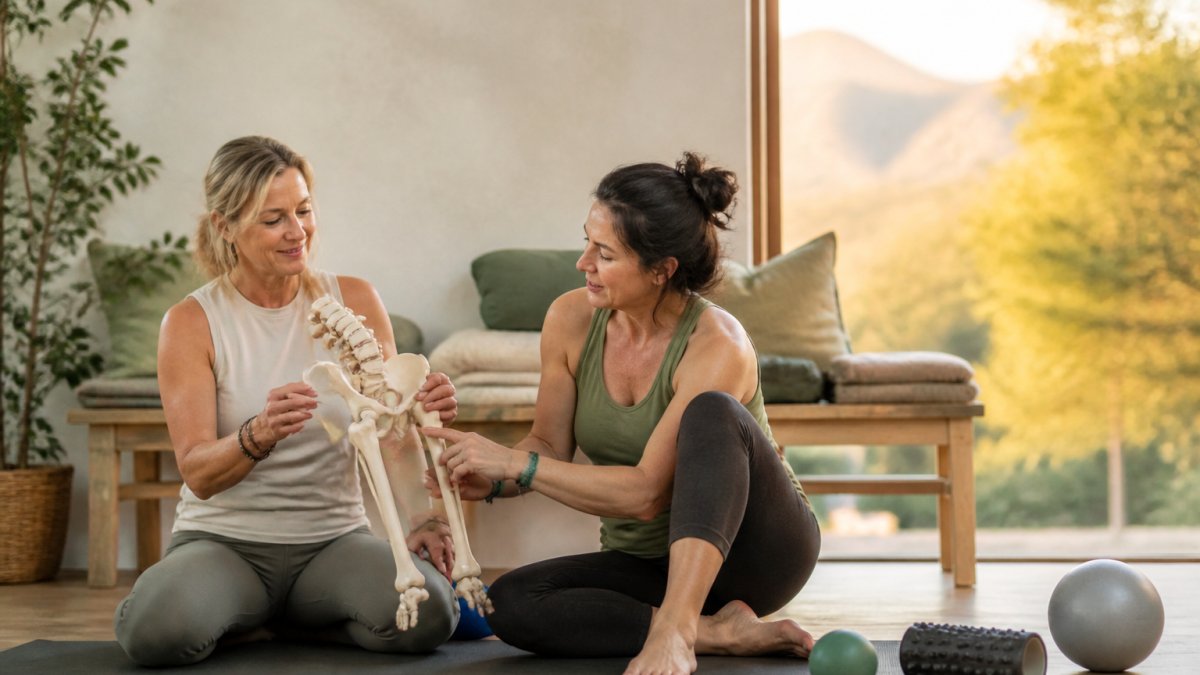
Pros of massage therapy: A skilled practitioner can provide individualized hands-on treatment, help relieve discomfort, and offer feedback about areas of tension you may not have noticed.
Cons of massage therapy: Sessions require scheduling and an ongoing financial investment. Results vary depending on the individual, the techniques used, and the underlying causes of tension.
Choosing Between Somatic Exercises and Massage for Your Neck and Shoulders
If your tension returns between appointments, a home practice may fit better. Our somatic exercises for neck pain guide walks through a gentle routine you can start with. For a broader set of at-home options, see seven somatic exercises for neck tension you can do at home. Shoulder stiffness that keeps coming back often responds to more than stretching, so exercises for chronic shoulder stiffness may help you address the pattern. If time is your biggest constraint, a five-minute somatic routine for stress can fit into a busy day.
Massage therapy still has a place, especially for hands-on relief (Chronic Pain and Complementary Health Approaches: Usefulness and Safety). Somatic work is not a substitute for medical care or mental health therapy. If your pain is persistent, worsening, or unexplained, talk with a qualified healthcare professional before choosing either path (the NHS).
After more than a decade working with clients experiencing recurring pain and tension, I’ve learned that what happens between appointments matters, too.
That’s one reason I created Calm Library. You don’t have to choose between professional bodywork and learning how to help yourself. The two can work beautifully together.
Explore Calm Library for gentle, practical techniques you can use at home, on your own schedule.
Frequently Asked Questions
What is the difference between somatic exercises and massage therapy?
Somatic exercises are self-directed movements that ask you to notice what you feel as you move slowly. Massage therapy is hands-on work, where a trained practitioner applies pressure or manipulation to soft tissue. Somatic exercises build body awareness through your own participation, while massage relies on touch from someone else. Neither is a substitute for medical care, and persistent or worsening neck pain should be evaluated by a qualified healthcare professional.
Are somatic exercises or massage better for recurring neck tension?
It depends on what you want. Somatic exercises are low cost and can be practiced at home, which suits readers who want to learn their own patterns over time. Massage therapy offers hands-on relief and relaxation, which can feel helpful when tension is intense. Many people use both. Set realistic expectations and track how your neck responds.
Can somatic exercises and massage therapy be used together?
Yes. A massage session can leave you more aware of your body, and somatic exercises can help you keep that awareness between appointments. Some people use massage for hands-on relief and somatic movement for daily maintenance. If you have a condition or are unsure which approach fits, ask a healthcare professional or licensed massage therapist before combining them.